Heritage and Milestones
A Legacy of Healing: The Evolution of Nephrology at CMC Vellore.
Christian Medical College (CMC) Vellore has long been at the forefront of medical innovation in India. Among its most significant historical milestones is the establishment of the Department of Nephrology, a pioneering unit that fundamentally transformed renal care across the nation.
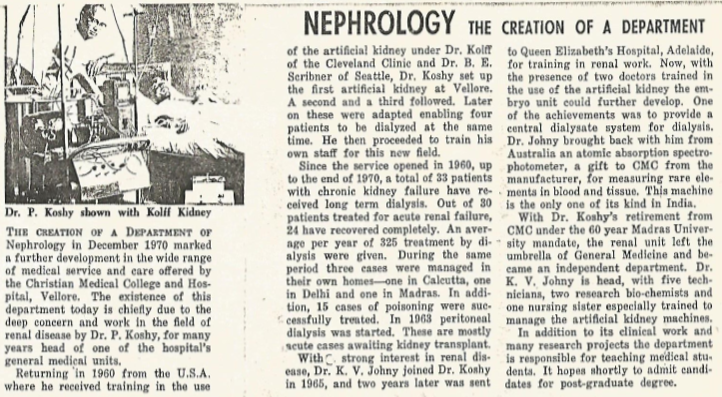
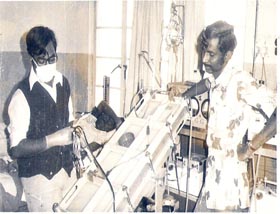
The roots of this prestigious department trace back to 1960. That year, Dr. P. Koshy returned from the United States after receiving specialized training in the use of the artificial kidney under the renowned Dr. Kolff at the Cleveland Clinic and Dr. B.E. Scribner in Seattle. Bringing this cutting-edge knowledge back to Vellore, Dr. Koshy set up the hospital’s very first artificial kidney. He subsequently adapted the technology, enabling up to four patients to be dialyzed simultaneously, and took on the vital task of training a dedicated staff for this entirely new medical field.
The clinical outcomes of this nascent unit were remarkable. Between 1960 and the end of 1970, 33 patients with chronic kidney failure received life-prolonging long-term dialysis. Furthermore, out of 30 patients treated for acute renal failure during this decade, an impressive 24 recovered completely, while 15 cases of poisoning were successfully managed. In 1963, the unit took another leap forward by initiating peritoneal dialysis, offering a crucial bridge for acute cases awaiting kidney transplants.
By December 1970, the institution recognized a need for monumental expansion. Upon Dr. Koshy’s retirement, the renal unit officially separated from the umbrella of General Medicine to become an independent Department of Nephrology. Dr. K.V. Johny, who had joined the team in 1965 and later trained in Adelaide, Australia, took the helm as the department’s new head. Dr. Johny further elevated the department’s capabilities by bringing back an atomic absorption spectrophotometer—a gift from its manufacturer and the only machine of its kind in India at the time. Shortly after, the department achieved one of its most remarkable milestones: on February 2, 1971, Dr. K.V. Johny and Dr. Mohan Rao successfully performed the very first kidney transplant in India.
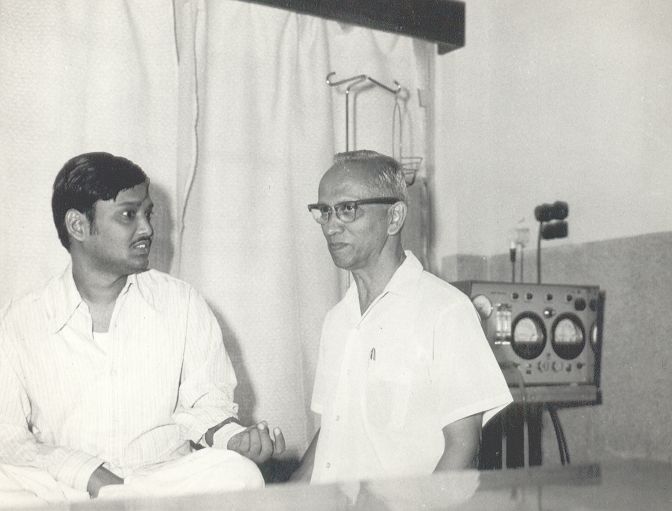
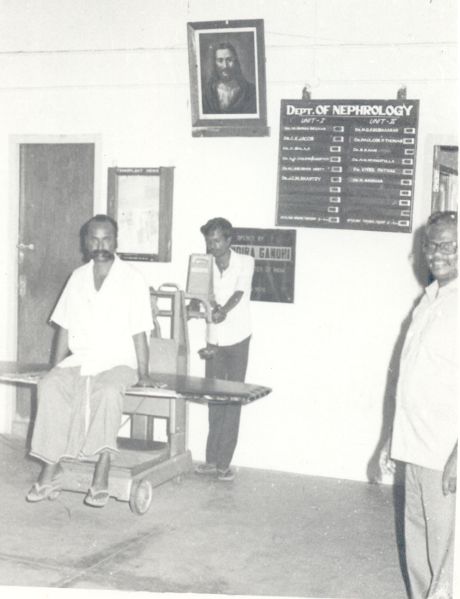
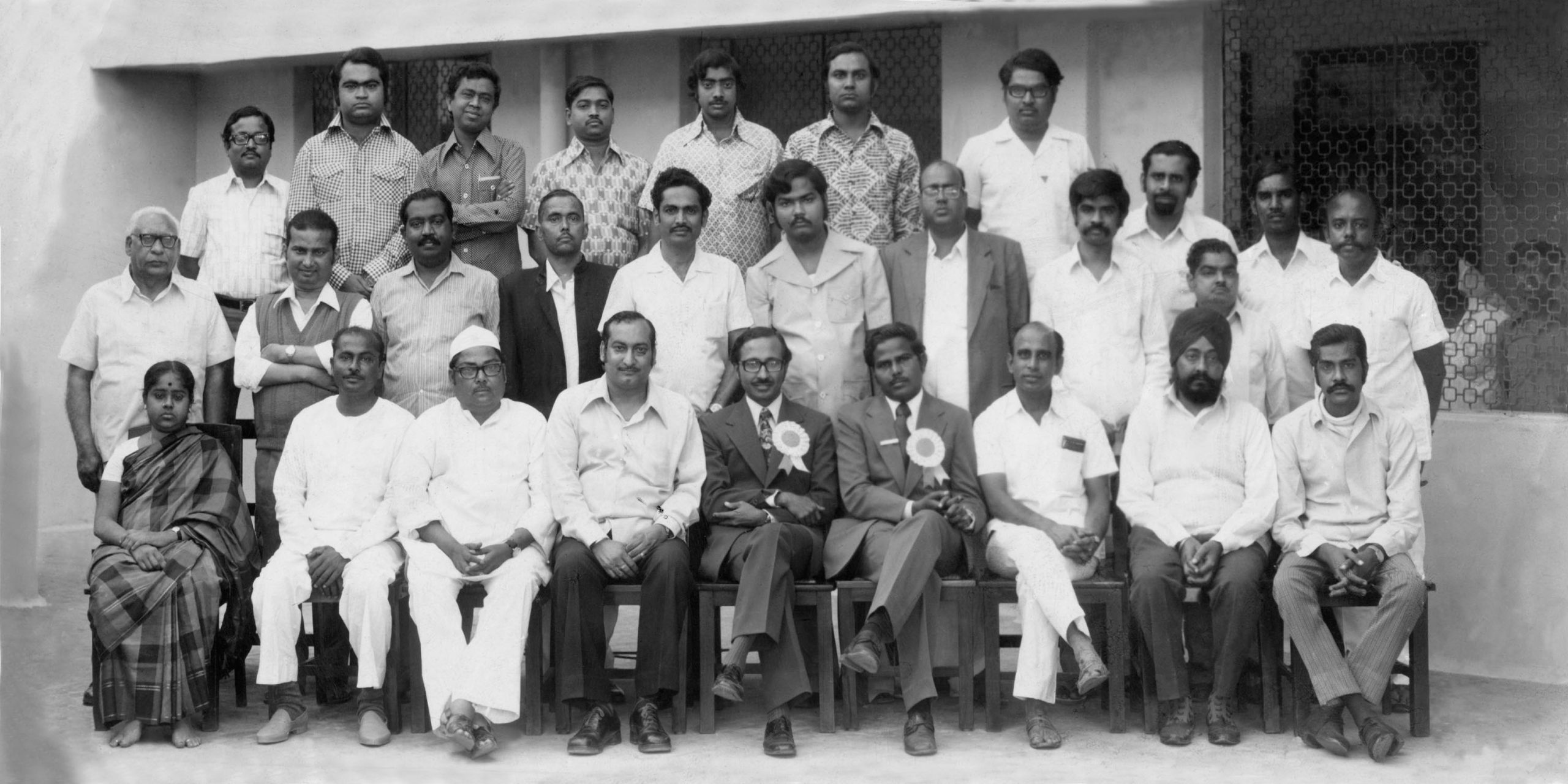
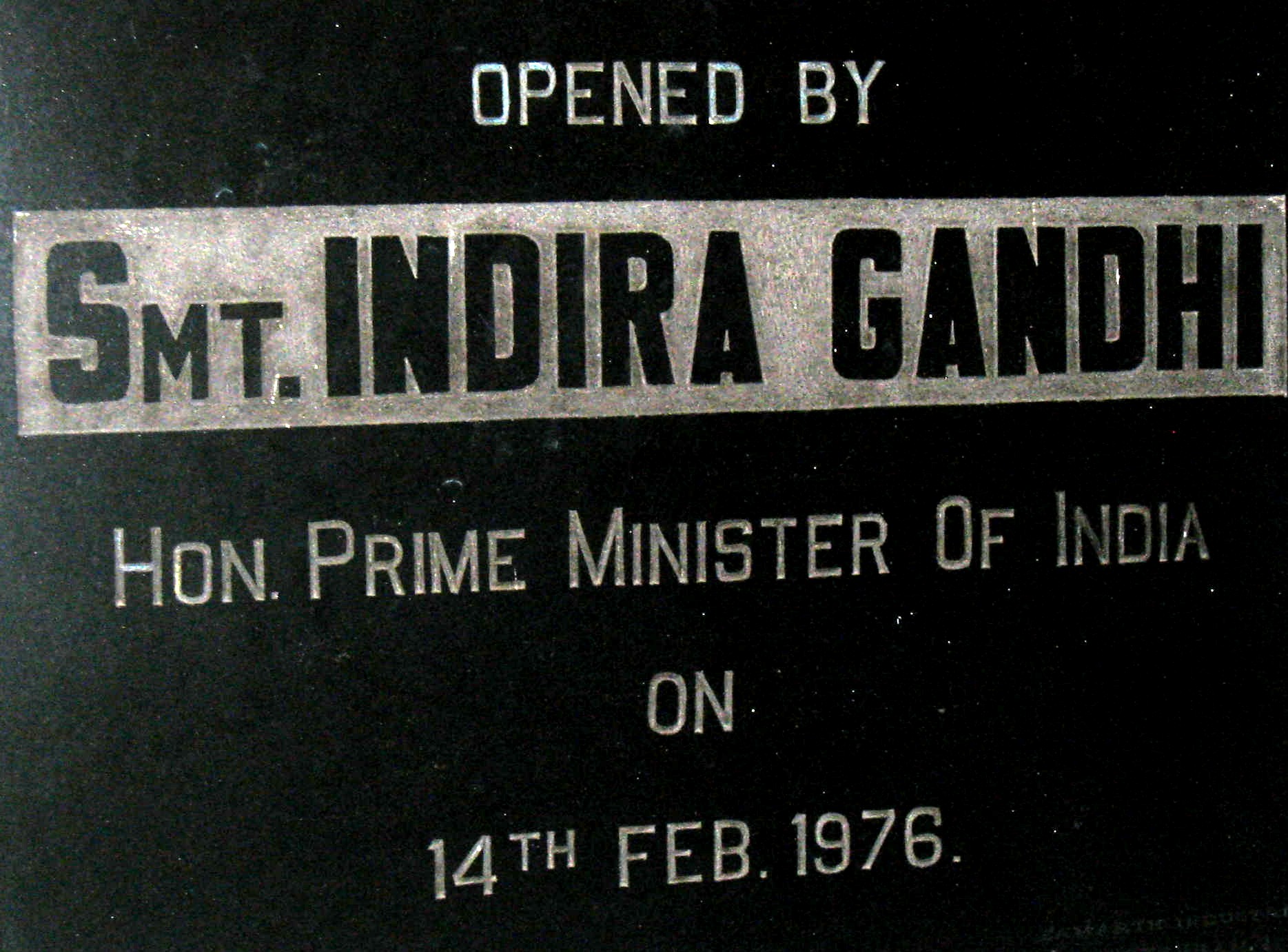
The 1970s marked a period of robust expansion and profound national recognition. On February 14, 1976, CMC Vellore celebrated a historic milestone when the Honorable Prime Minister of India, Smt. Indira Gandhi, officially inaugurated the new dialysis unit, known as the AK Lab. Archival photographs from this era capture a bustling, dedicated Nephrology ward, complete with patient weighing stations and a roster of eminent doctors who guided the department’s clinical and academic efforts.
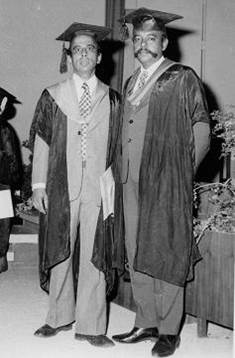
Beyond providing exceptional clinical care, the department possessed a fierce commitment to medical education. Early on, the department outlined a bold vision to admit candidates for post-graduate degrees. This dream was realized when the department celebrated its first two Doctorate of Medicine (DM) graduates, Dr. J.C.M. Shastry and Dr. M.G. Kirubakaran, who proudly donned their academic regalia in 1977. This marked the beginning of CMC Vellore’s lasting legacy as a premier training ground for India’s future nephrologists.
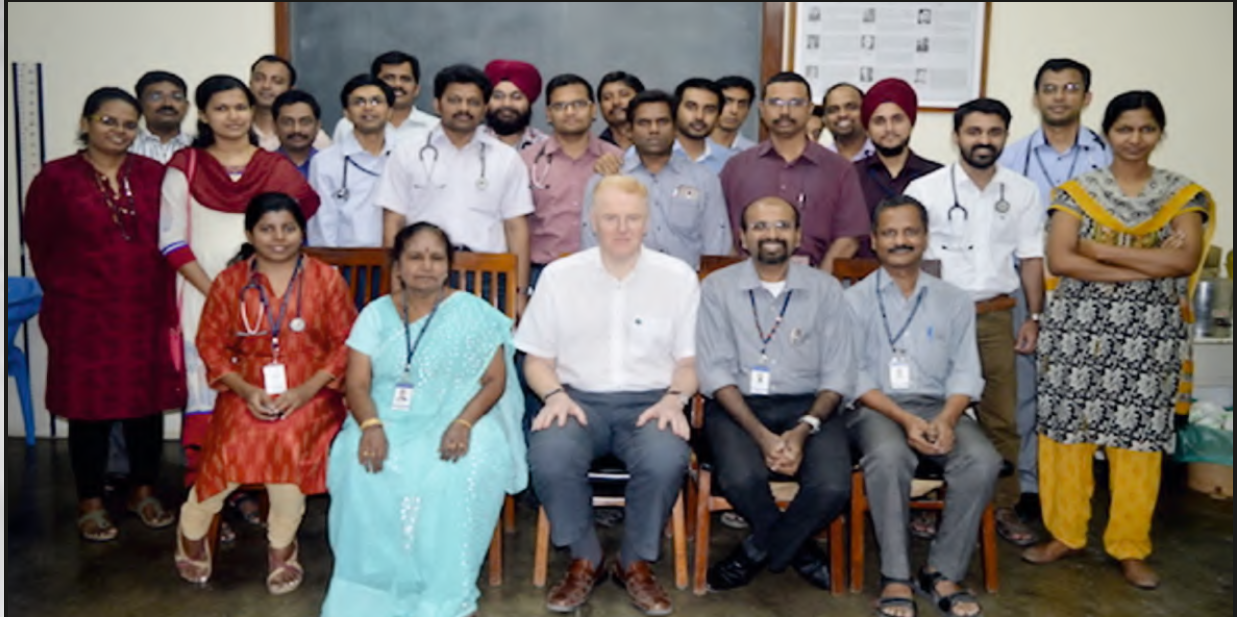
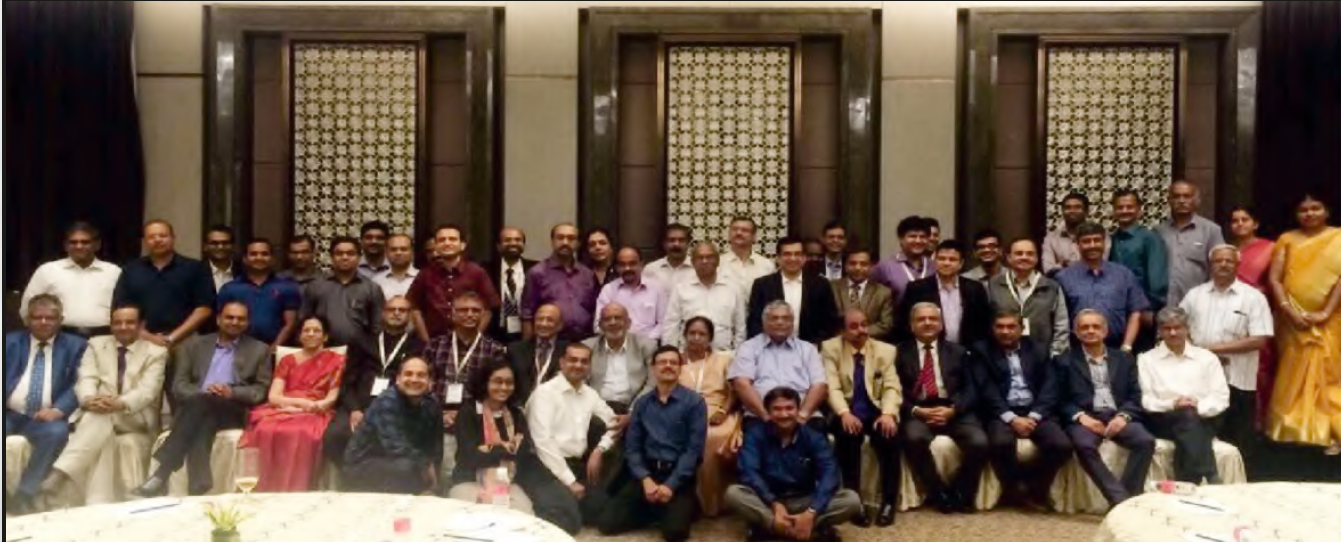
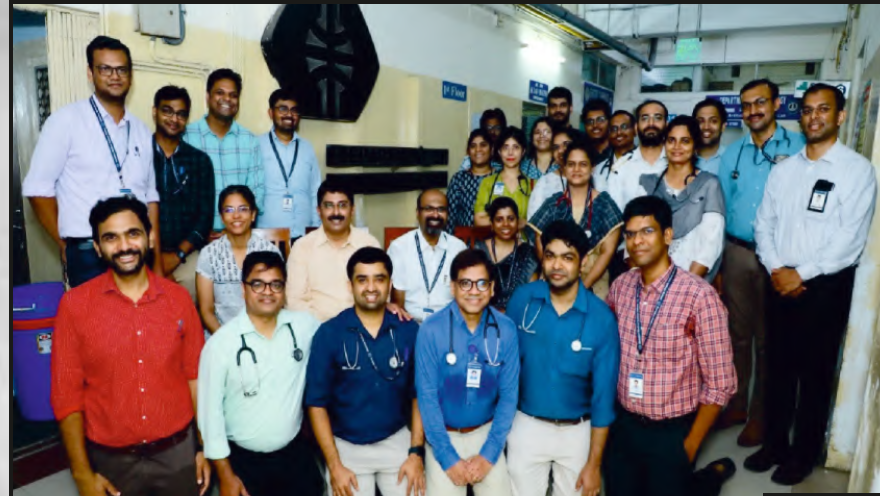
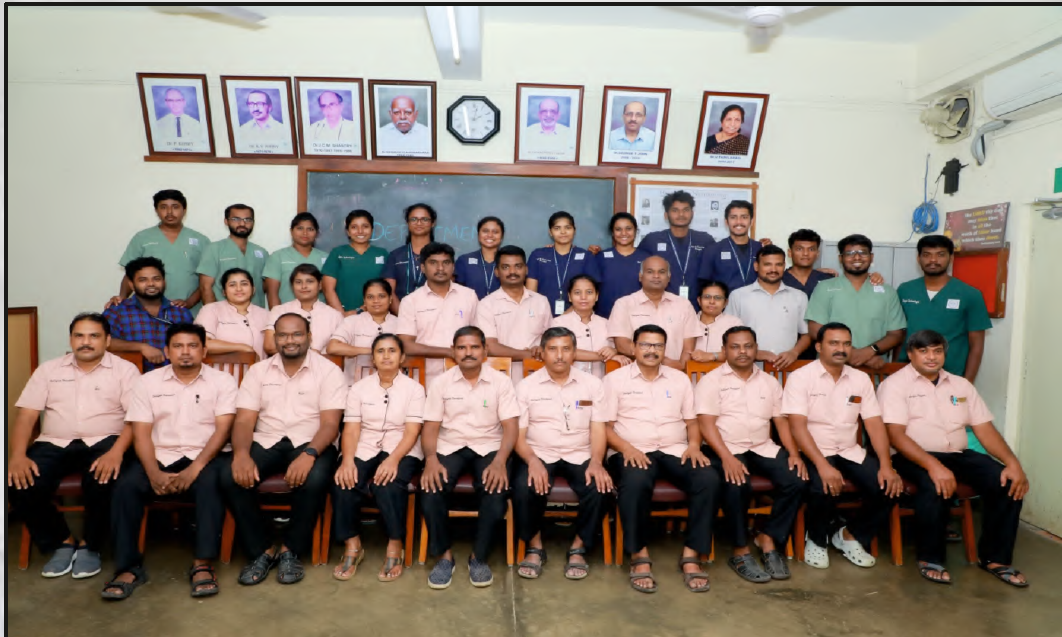
As the department marched into the 1980s, it continued to adopt advancing medical technologies, such as the Double Keel Dialysis machine, ensuring patients always had access to state-of-the-art care. Today, from its humble beginnings as a single artificial kidney unit managed by visionary doctors, the department has grown into a massive fraternity of specialized medical professionals. The history of the Nephrology Department at CMC Vellore is not just a timeline of medical firsts; it is a profound testament to the enduring spirit of compassionate patient care, educational excellence, and pioneering research.
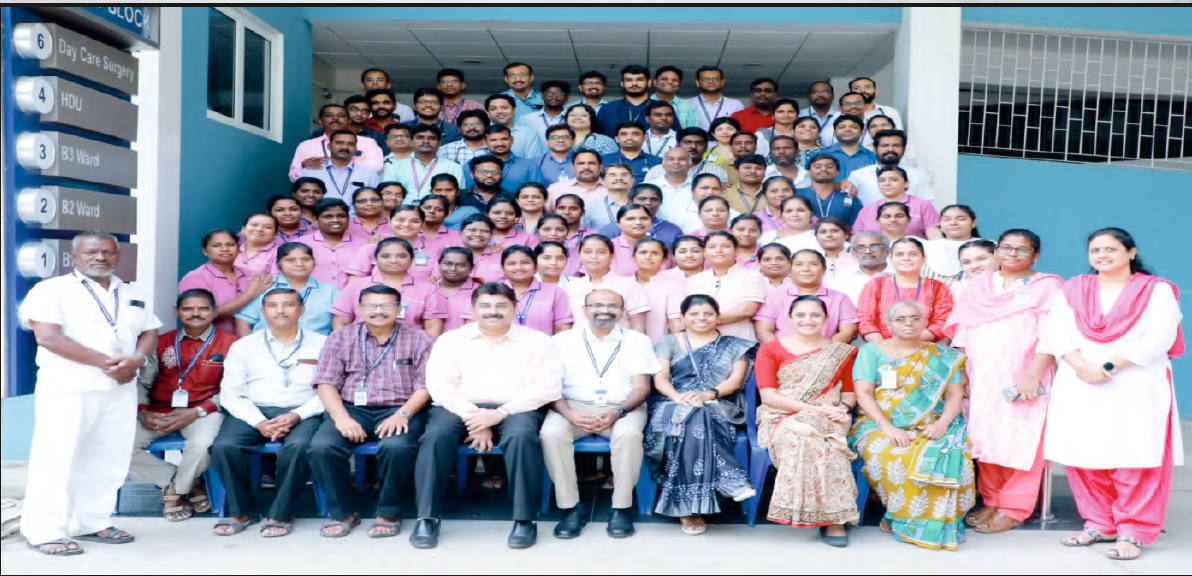
The department has grown from a small embryo unit into a massive, thriving fraternity of specialized nephrology professionals.